
News
What is the New Alphanumeric Postcode?
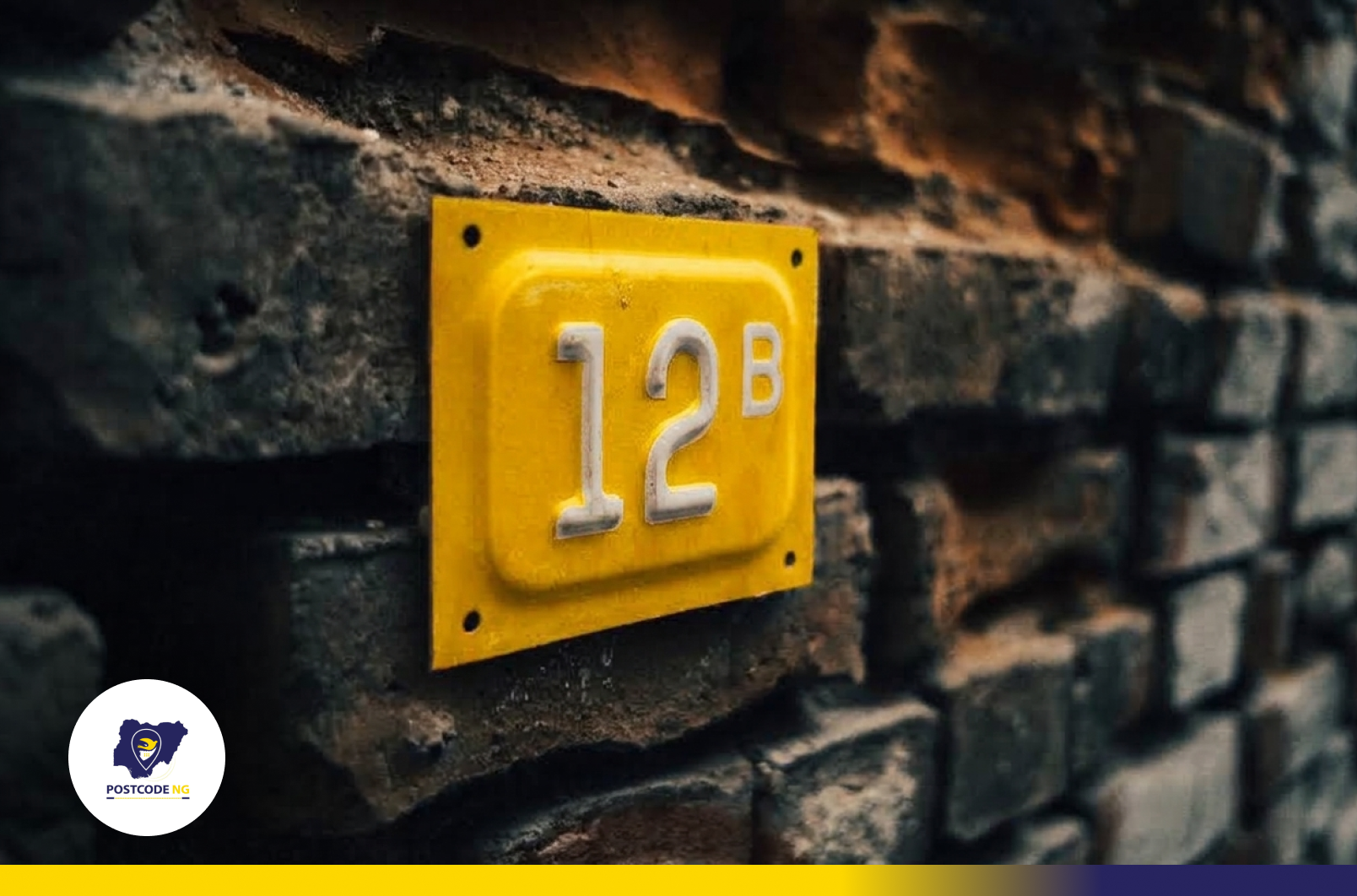
A dispatch rider circles the same street in Ojota for the third time, phone pressed to his ear. "Beside the blue gate," the customer says. "Opposite the transformer, before you reach the borehole." He turns back the way he came. Ten minutes pass before he finds the house, and by then the food is cold, and the customer is annoyed. That's the reality behind Nigeria's push for a new kind of postcode.
Nigeria is introducing a new alphanumeric postcode built to pinpoint individual buildings. A conventional six-digit postcode identifies a broad postal area. The new postcode combines letters and numbers to narrow a location from the state or territory down to a specific building.
A postcode may look like this:
FC 02 A09 DB 09
Each section represents a different geographical level

Read from left to right, the code moves from the widest geographical area to the individual building. The new postcode gives people, businesses and public institutions a standard digital reference to find, share and verify buildings more accurately.
Why Is Nigeria Introducing a New Postcode?
Nigeria's existing addressing system struggles to pin down individual buildings. A conventional postcode can cover a large area containing several streets and thousands of buildings. Even when a street name and house number are provided, a visitor may still need more directions like:
- Beside the blue gate.
- Opposite the transformer.
- After the filling station.
- Call me when you reach the junction.
These directions work for people who already live in the area, but aren't very useful on delivery platforms, financial institutions, and government databases. The new postcode gives every mapped building a consistent location reference. Instead of identifying only a district or delivery area, it points users to the specific building they are trying to find..
State and Territory Codes
The first two characters of the postcode identify the state or the Federal Capital Territory.
For example, FC represents the Federal Capital Territory in the sample postcode FC 02 A09 DB 09.
Each state will have its own approved two-character code.
Approved State and Territory Codes

The state or territory code is only one part of the complete postcode. The remaining characters narrow the location down to the relevant LGA, district, area, and building.
How Is It Different From the Existing Postcode?
The main difference is the level of detail.

The new postcode works alongside familiar address information such as a street name, community or city, adding a precise digital reference that makes the address easier to locate and verify.
For example, a complete address could include:
Plot 15, Example Street, Wuse 2, AbujaPostcode: FC 02 A09 DB 09
The written address provides context, while the postcode points to the corresponding building.
What Can You Use the New Postcode For?
- Finding a building: Search for the postcode assigned to your home, office, shop, or another mapped building.
- Sharing an address: Share a building's postcode with friends, customers, visitors, or delivery riders instead of explaining a location entirely through landmarks.
- Saving important places: Save the postcodes of places you frequently visit, such as your home, office, school, hospital or favourite business.
- Receiving deliveries: A building-level postcode helps delivery companies locate the correct destination and cuts unnecessary calls, missed deliveries and time spent searching for an address.
- Registering a business alias: Businesses can create recognisable aliases that make their buildings easier for customers to identify and find. An alias supplements the official postcode with a memorable name connected to the building's postcode.
- Confirming an address: Individuals may be able to request a postcode-based proof-of-address document for organisations that accept it. Businesses may also use postcode services to confirm the locations of customers, merchants, facilities and physical assets.
- Supporting emergency and public services: Where adopted by the relevant authorities, building-level postcodes help emergency responders and public institutions identify locations more accurately.
How Will I Find My Postcode?
From the official postcode app or web app, you can search for a building and view its assigned postcode. Depending on the available information, you may be able to find a postcode by:
- Searching for an address or place.
- Selecting a building on the map.
- Using your current location while at the building.
- Searching for a registered business or building alias.
Once you find the correct postcode, you can save or share it directly from the platform.
Always confirm that the building displayed on the map is the correct one before using or sharing its postcode.
What If My Building Does Not Have a Postcode Yet?
If your building does not have a postcode, you can request one through the Nigerian Digital Postcode app. The request allows your building to be added to the postcode system so that it can receive an official postcode.
For a step-by-step guide on how to request a postcode for a building, read How to Get a Postcode for a Building That Does Not Have One.
Do not create or guess a postcode for your building. Use the official postcode platform to request and confirm the correct code..
Can Businesses Integrate the Postcode Into Their Platforms?
Businesses and government institutions can integrate postcode services into relevant digital systems through approved integration tools.
Potential uses include:
- Verifying delivery destinations during checkout.
- Adding postcode searches to logistics platforms.
- Confirming the locations of customers or merchants.
- Managing facilities and physical assets.
- Connecting addresses to customer records.
- Supporting government service delivery and infrastructure planning.
Organisations interested in early integration can register their interest while the developer portal and business integration services are being finalised.
When Will the New Postcode Be Available?
The postcode app and website are scheduled to launch on October 1, 2026.
One Building, One Recognisable Digital Reference
The new alphanumeric postcode gives Nigerians a precise and consistent way to identify buildings. It reduces dependence on long directions, repeated phone calls, and informal landmarks by giving people and systems a digital code they can understand.
Delivery riders will no longer need directions like "beside the blue gate." When the platform launches, you can find your building’s postcode, save the postcodes of important places, and share accurate locations more easily. The postcode will point straight to the building you are looking for.
More in News
How the New Nigerian Digital Postcode Will Improve Deliveries and Online Shopping
You order a new phone online. At checkout, you type your street address, add your estate name, mention the nearest junction, then write "black gate beside the p
How Digital Postcode Helps Government Deliver Better Services
A birth certificate application sits in a queue for three weeks because the registration center listed on the file no longer matches any address a courier can f